Understanding Lifestyle Context and Body Weight Patterns
An educational resource presenting observational perspectives on how everyday environments, routines, and social patterns coexist with body weight in contemporary life.
Educational content only. No medical services. No promises of outcomes.

Daily Routines and Environments
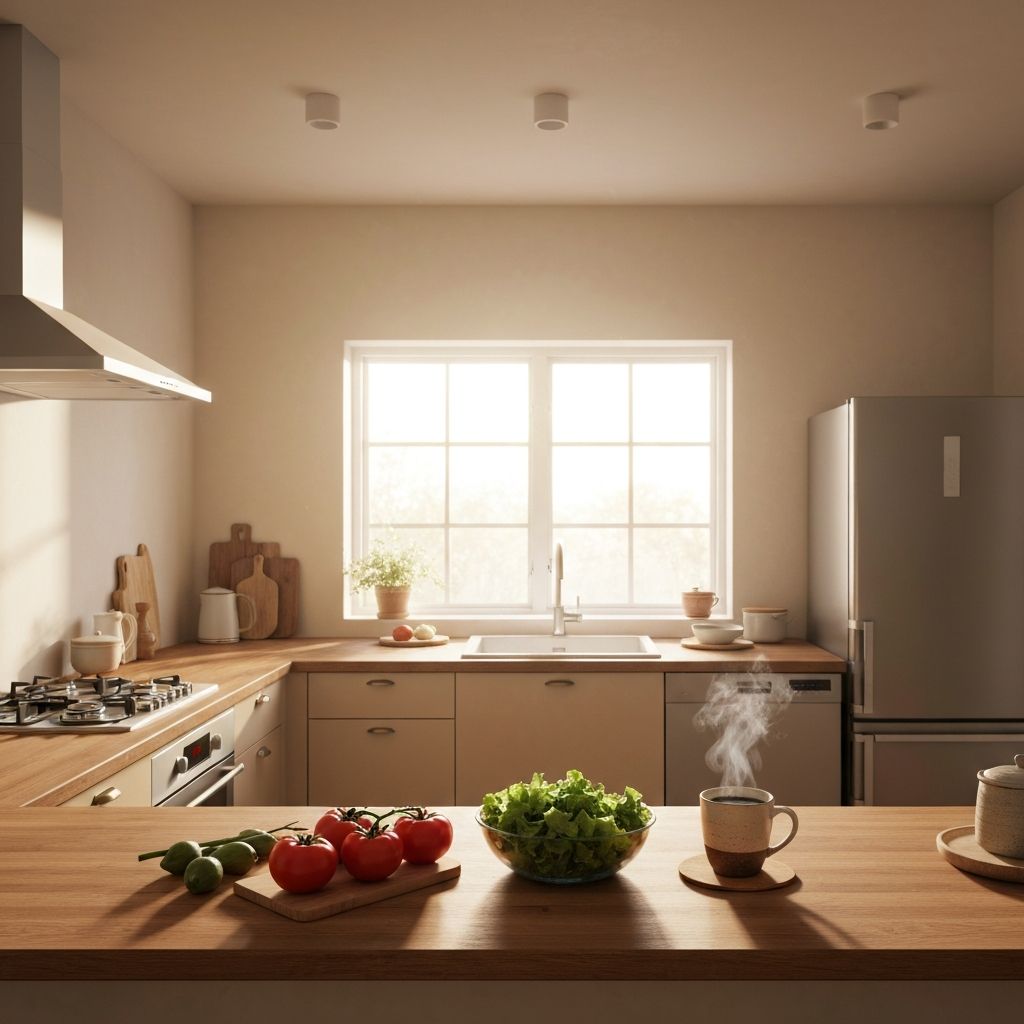
Domestic Spaces and Daily Life
The environments where people spend their daily hours vary considerably across different living situations. Home kitchens, living areas, and personal spaces form the backdrop against which everyday activities unfold.
Observations suggest that the organisation of domestic spaces, access to various amenities, and the general character of home environments exist alongside diverse patterns of daily living. These contexts are neither uniform nor static across populations.
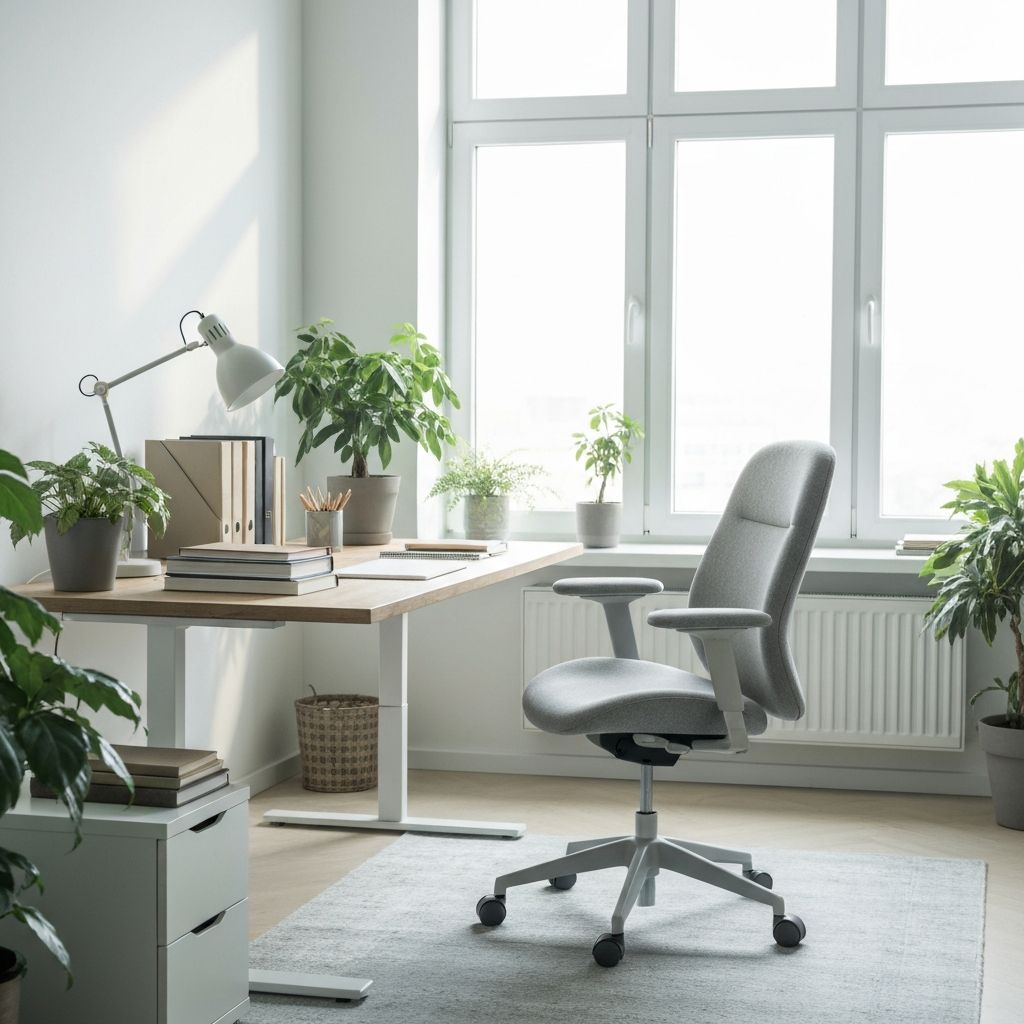
Work Environments and Schedules
Working patterns in contemporary society encompass a broad spectrum, from traditional office settings to remote work arrangements, shift work, and various forms of self-employment.
The structure of working hours, the physical nature of occupations, and the demands placed upon individuals during their working day represent significant aspects of how people spend their time. These patterns differ markedly between individuals and sectors.
Lifestyle Rhythms and Habits
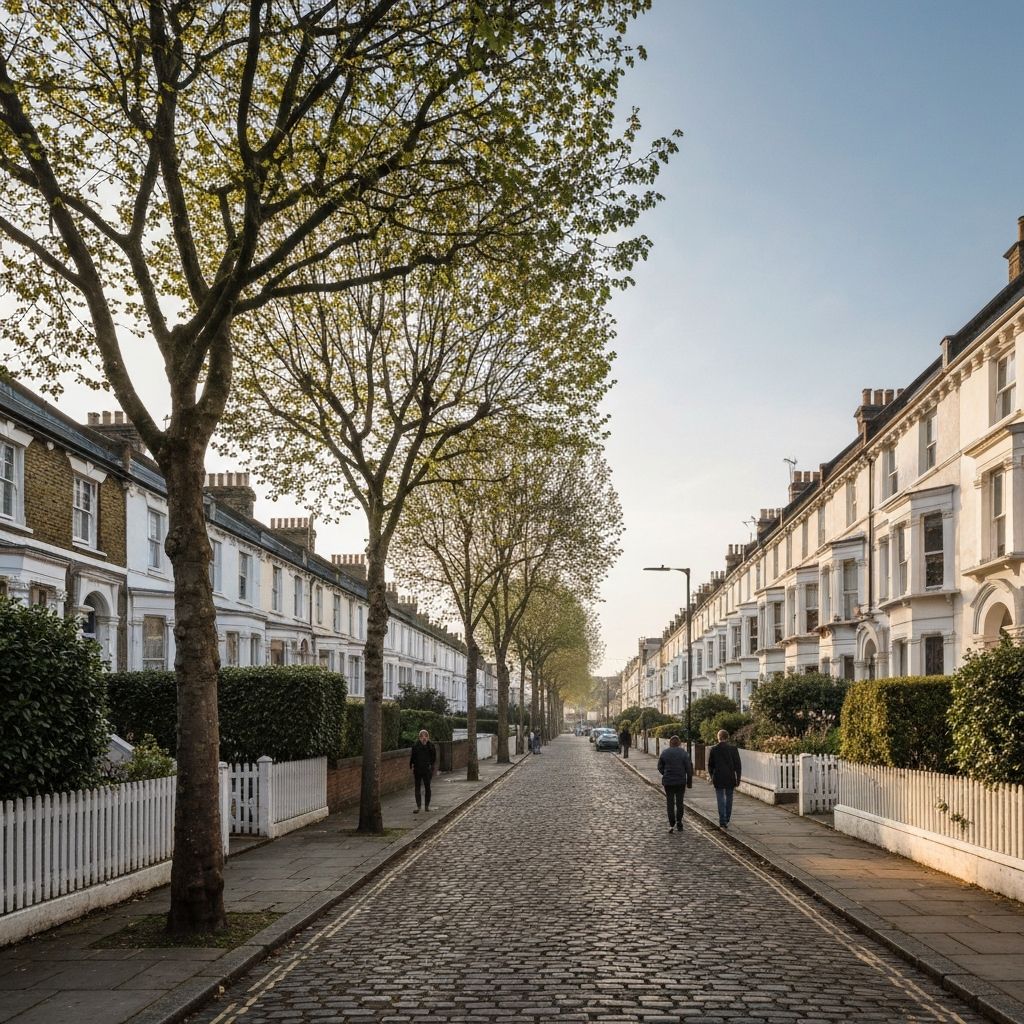
Neighbourhood Contexts
The character of residential neighbourhoods shapes the daily experience of their inhabitants in numerous ways. Street layouts, local amenities, green spaces, and the general atmosphere of an area all contribute to the lived environment.
Urban, suburban, and rural settings each present distinct contexts within which daily life occurs. The availability of local services, transport links, and community facilities varies considerably across different residential areas.

Evening and Rest Patterns
The hours following work or daily activities are spent in various ways across different households. Evening routines, leisure activities, and rest patterns form part of the broader rhythm of daily life.
The transition between active hours and periods of rest occurs within domestic settings that vary in their layout, comfort, and atmosphere. These home environments provide the context for evening and nighttime hours.
Urban Living Context

City Environments
Urban areas present particular contexts for daily living, characterised by density, diversity, and the proximity of various services and amenities.
The pace of city life, transport systems, housing patterns, and the availability of different facilities all contribute to the urban experience. Cities in the United Kingdom each have their own character whilst sharing common features of urban living.
The relationship between individuals and their urban environment encompasses many aspects of daily experience, from commuting patterns to the use of local services and recreational spaces.
Time Structure of Daily Activities
Morning Patterns
The beginning of the day is structured differently across various households and occupations. Morning routines may involve preparation for work, school, or other activities, with considerable variation in timing and content.
The hours between waking and beginning the main activities of the day are spent in ways that reflect individual circumstances, household composition, and work or study commitments.
Midday and Afternoon
The central hours of the day are typically occupied by work, education, or other primary activities. Breaks during these hours, including mealtimes, vary in their duration, timing, and context depending on occupational and personal circumstances.
The transition from morning to afternoon often involves changes in activity patterns, with various tasks and responsibilities distributed across these hours.
Evening Transitions
The shift from working hours to evening time marks a significant transition in the daily schedule for many people. This period often involves travel, household activities, and the commencement of leisure or family time.
The character of evenings varies considerably based on household composition, work patterns, and individual preferences for how non-working hours are spent.
Perceptions of Body Weight in Society

Media and Public Discourse
Body weight is a topic that appears frequently in media coverage, public health communications, and everyday conversation. The ways in which this subject is discussed and represented vary across different sources and contexts.
Academic research, journalistic coverage, and personal accounts each contribute different perspectives to public understanding of body weight as a phenomenon. These varied sources present information from different viewpoints and with different emphases.
Cultural Contexts
Attitudes and perceptions regarding body weight exist within broader cultural frameworks that vary across societies and change over time. Historical, social, and cultural factors all contribute to how this topic is understood and discussed.
The relationship between body weight and various aspects of social life, including employment, relationships, and public spaces, forms part of a complex cultural landscape that researchers and commentators continue to examine.
Limitations and Context
Important Information About This Content
The materials presented on this website are intended for general educational and informational purposes only. They describe observations about lifestyle contexts and everyday environments without making specific claims about causation or outcomes.
Scope of Information
This website presents descriptive information about daily routines, social patterns, and living environments. The content does not constitute advice of any kind, including medical, nutritional, or lifestyle guidance.
Observations and descriptions presented here reflect general patterns that may or may not apply to any individual's circumstances. Personal situations vary considerably, and the information provided should not be applied to specific cases.
No Professional Guidance
LifeContext does not provide professional services of any kind. The content presented is not intended to replace consultation with qualified professionals in relevant fields.
Readers seeking information or guidance related to personal health, lifestyle changes, or specific concerns should consult appropriate qualified professionals who can assess individual circumstances.
All content on this website is provided for informational purposes only and does not represent personalised recommendations or professional advice. Individual circumstances vary, and the material presented here should not be used as a basis for personal decisions.
Frequently Asked Questions
What is the purpose of this website?
LifeContext is an educational resource that presents observational information about lifestyle patterns, daily routines, and living environments. The website aims to provide general context about how everyday life is structured in contemporary society, without offering advice or making claims about outcomes.
Does this website provide personal recommendations?
No. LifeContext presents descriptive and observational content only. The website does not provide personalised recommendations, advice, or guidance of any kind. Readers seeking specific guidance should consult qualified professionals appropriate to their needs.
Who creates the content on this website?
The content is developed by the LifeContext editorial team based on publicly available information and general observations about lifestyle patterns and living environments. The content is reviewed to ensure it remains informational and descriptive in nature.
Is the information on this website applicable to everyone?
The content presents general observations that may not apply to all individuals or circumstances. Personal situations vary considerably, and readers should recognise that general descriptions may not reflect their specific context or experience.
How can I contact LifeContext?
Contact information is available on our Contact page. We welcome enquiries about the website and its content. Please note that we are unable to provide personal advice or respond to requests for individual guidance.
Get in Touch
Contact Information
LifeContext
17 Willow Crescent
Manchester M16 8AJ
United Kingdom
Phone: +44 72 83 19 64 57
Email: [email protected]
Explore Lifestyle Context
Review general perspectives on everyday patterns and living environments.
Read About LifeContext
Social Patterns of Daily Life
Social Gathering Spaces
Public spaces where people meet, socialise, and spend time outside the home form an important part of community life. Cafes, parks, community centres, and other venues provide contexts for social interaction.
The availability and character of such spaces varies between different localities. Urban centres typically offer different social environments compared to smaller towns or rural areas, each with their own patterns of use.
Community Resources
Libraries, community centres, and public facilities provide spaces for learning, meeting, and various activities. These resources exist within communities to varying degrees and with different levels of accessibility.
The presence of such facilities contributes to the character of local areas and provides venues for activities that extend beyond the private sphere of home and work.